



Erosion & Sediment Control in Landscaping
Resources with permission: Catchments & Creeks; Water by Design

Since 1994, the realm of environmental legislation has woven a complex tapestry, encompassing developers, builders, and, of course, landscapers. These regulations serve as the guardians of our precious environment, and over time, they've evolved and streamlined their protective measures. Sadly, some updates have been prompted by the missteps of industry stakeholders. In this ever-changing landscape, staying updated can be a challenge. Yet, as the landscaping industry is intrinsically tied to environmental preservation, it's incumbent upon us to not only adhere to these regulations but also to embrace best practice on our worksites. In doing so, we don't just comply with the law—we become stewards of the very environments we transform.
There are 2 primary duties that apply to everyone in Queensland:
- General Environmental Duty (GED) – not to carry out an activity that may cause harm without taking measures to prevent or minimise the harm
- Duty to notify of environmental harm – to inform the relevant authority and landowners when environmental harm has occurred or might occur
To assist contractors in meeting erosion and sediment control requirements, numerous online resources are readily available. These include user-friendly factsheets and compliance guidelines, accessible via mobile devices for on-site convenience.
Key reasonable and practical measures that can be implemented by landscape contractors to comply with their GED include -
- Implementing an erosion and sediment control plan (ESC Plan)
- Conduct an effective monitoring program that measures and records the quality of all releases to stormwater and waterways
- Regularly review controls on site, maintain and adapt them as necessary, particularly after heavy rain or following vandalism
The ESC Plan should include consideration and mitigation of the following risks:
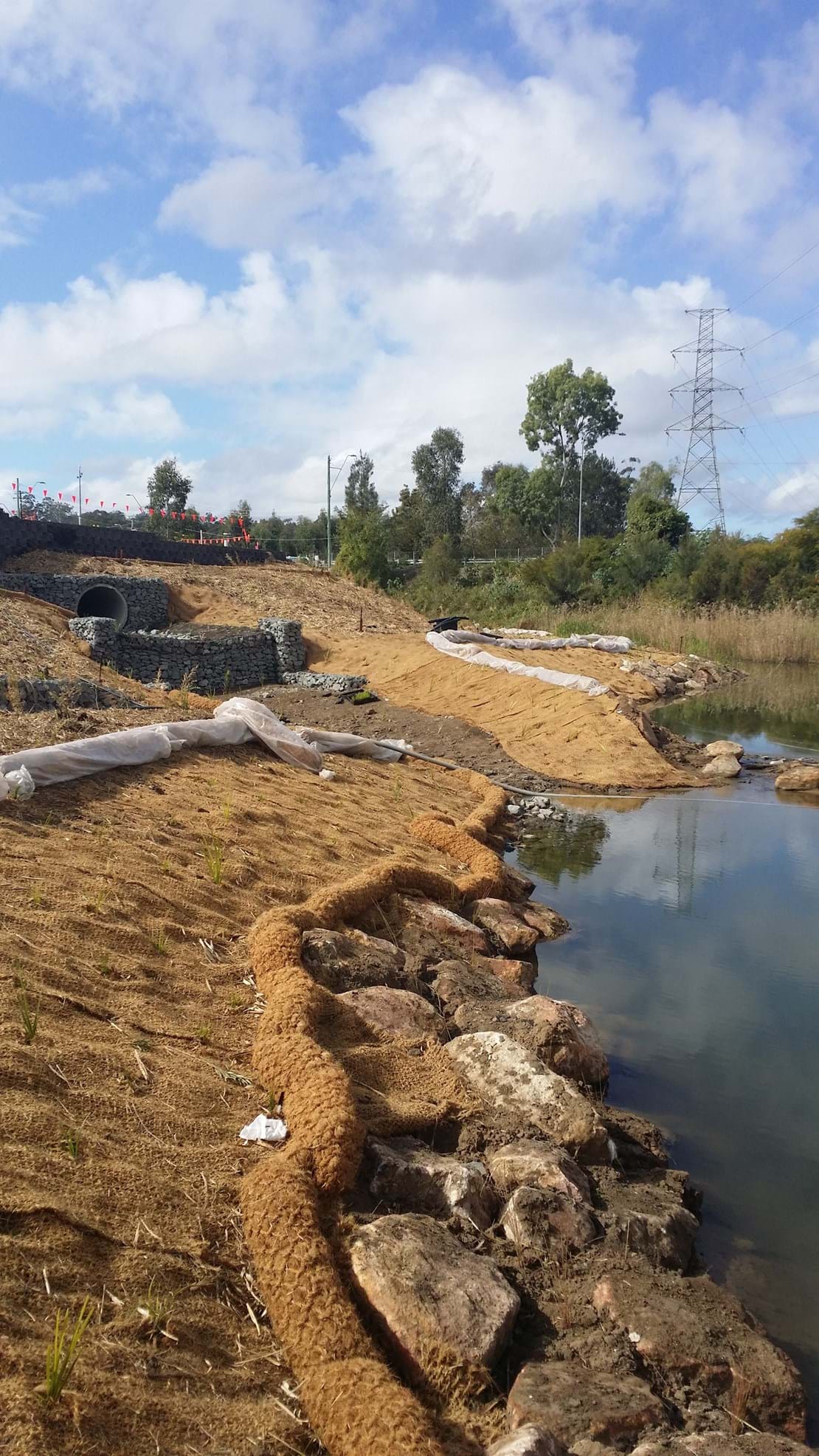
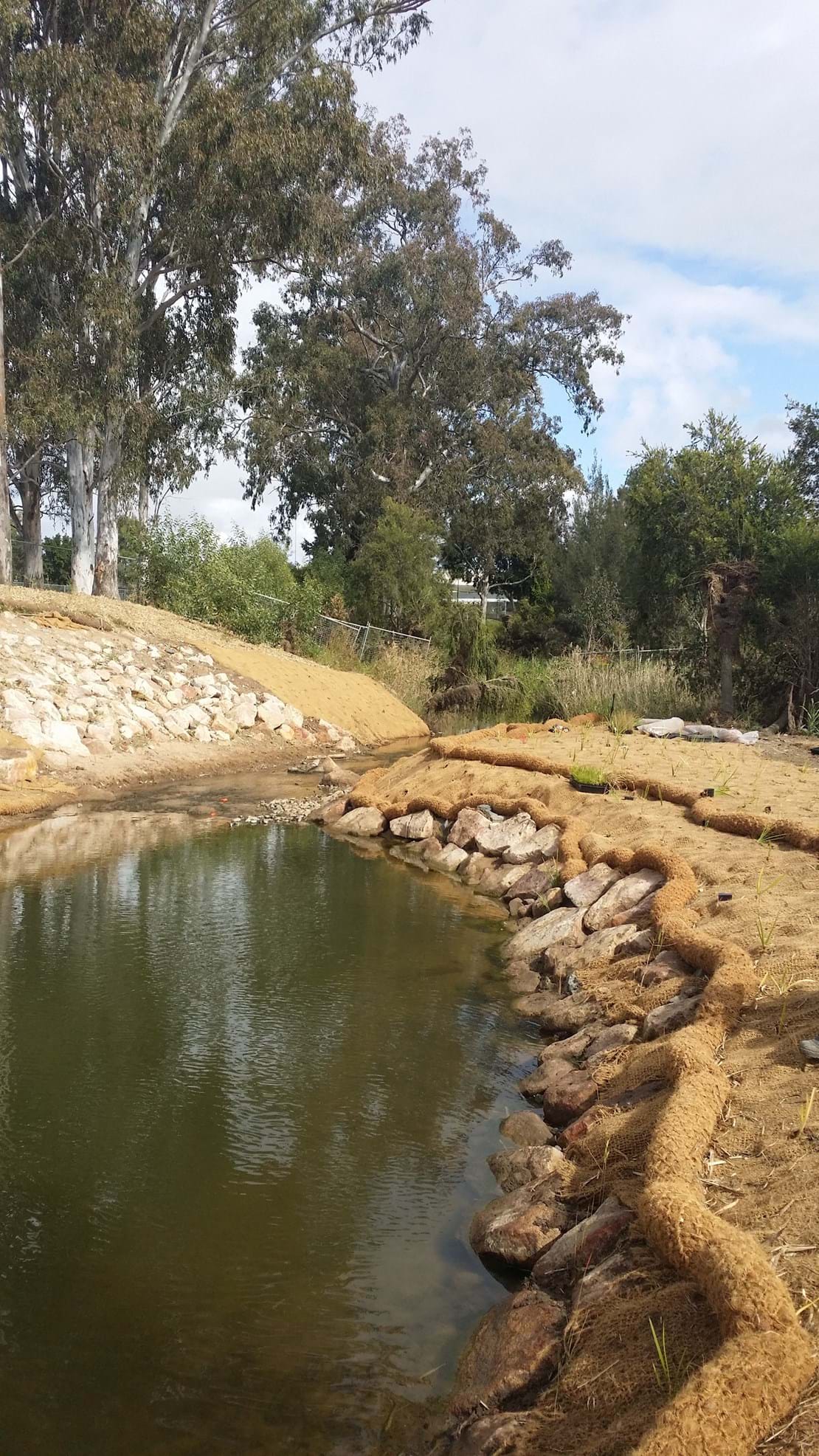
- All weather site access – accounting for both mud and dust issues. Consider use of sediment fencing, 40mm stone on-site entry/exit points, use of soil binding agents
- Covering stockpiles on site – they should not be located on the footpath/council land
- Keeping grass/soil cover on council verges intact
- Containing all wash-water from concreting, paver/tile cutting, painting activities
Local councils frequently offer valuable resources on their websites, including information and links pertaining to erosion and sediment regulations specific to their geographical regions. These resources prove invaluable to contractors venturing beyond their usual operating zones, providing essential guidance for compliance. Furthermore, it's worth noting that certain councils may mandate the submission of ESC design and inspection certificates, with requirements varying according to the project's scale.


Handy Resources
To decide how to meet your general environmental duty, you need to think about the:
Nature of the harm or potential harm – for example, how severe is the potential environmental harm?
Likelihood of possible measures being successful – for example, how likely are different measures to successfully prevent or minimise environmental harm?
Sensitivity of the environment you are operating in – for example, are you operating near a protected area, waterway or sensitive habitat?
Financial implications of taking different measures – for example, will taking certain prevention measures rather than others mean your activity is not commercially viable?
Current state of technical knowledge for the activity – for example, what is the current best practice for the activity?
Further Information
Moreton Bay Regional Council - Coming Soon

