



Incorporating Sustainability into your Landscape Design
Words and images: Dr Alan Chenoweth FAILA Reg LA FEIANZ CEnvP FAIH FPLA; 2023

Every aspect of the built environment, from airports to houses, from golf courses to domestic gardens, is increasingly challenged to be constructed and maintained in a more sustainable manner. There are many ways in which a landscape project can be designed to reduce energy use, enhance ecosystems, contribute to local culture, absorb runoff, use materials sustainably and multiple other pathways to sustainability. The ‘drivers’ for sustainable design are similarly diverse, ranging from client instructions or Council requirements to the designer’s green philosophy or the contractor’s efforts to reduce their environmental impacts.
Nationally and internationally, there are now sustainability policies, guidelines and rating tools for green and low-energy buildings (in Australia, examples are Green Star and NABERS) and low-impact infrastructure (e.g. the IS Rating Scheme), and for site development including parks, gardens and constructed landscapes, the most advanced scheme is the American SITES v2 Rating System for Sustainable Land Design and Development. Developers and corporate entities, as well as architects, engineers, landscape architects, builders and homeowners all want to ‘walk the talk’ on sustainability … to do something to reduce their impacts on the environment and to be seen to be doing so.
Sustainable landscape design can be addressed at multiple levels and to varying degrees, from the superficial (roof gardens on high-rise complexes) to the meaningful (site habitat restoration), and from single issues (such as water conservation) to a multi-layered approach.
An effective way to approach this (as per the USA Sustainable Sites Initiative) is to start with the existing site conditions – every site provides some ‘ecosystem services’ (the benefits which humans receive from ecosystems) such as absorbing runoff, supporting habitat, contributing to neighbourhood amenity and so on. Sustainable landscape design should aim to enhance, not reduce, these benefits.
Accordingly, the first layer of sustainable landscape design is to avoid or minimise the loss of ecosystem services provided by the site, or if these are or will be unavoidably degraded (such as by tree clearing), to offset those losses by providing new habitat, water absorption, contribution to the local community etc. The universal order of priorities in minimising environmental impacts (the mitigation hierarchy) is firstly to avoid any harm, then if that’s not possible, to mitigate/reduce the effects, then to restore/rehabilitate the degraded values; then as a last resort, to offset or compensate the detrimental impacts.
Importantly, sustainability is not an afterthought or an ‘add-on’ to projects but needs to be incorporated from the outset as a design objective which flows through decisions made at the design, construction and maintenance stages and these decisions need to be thoughtful and well considered.
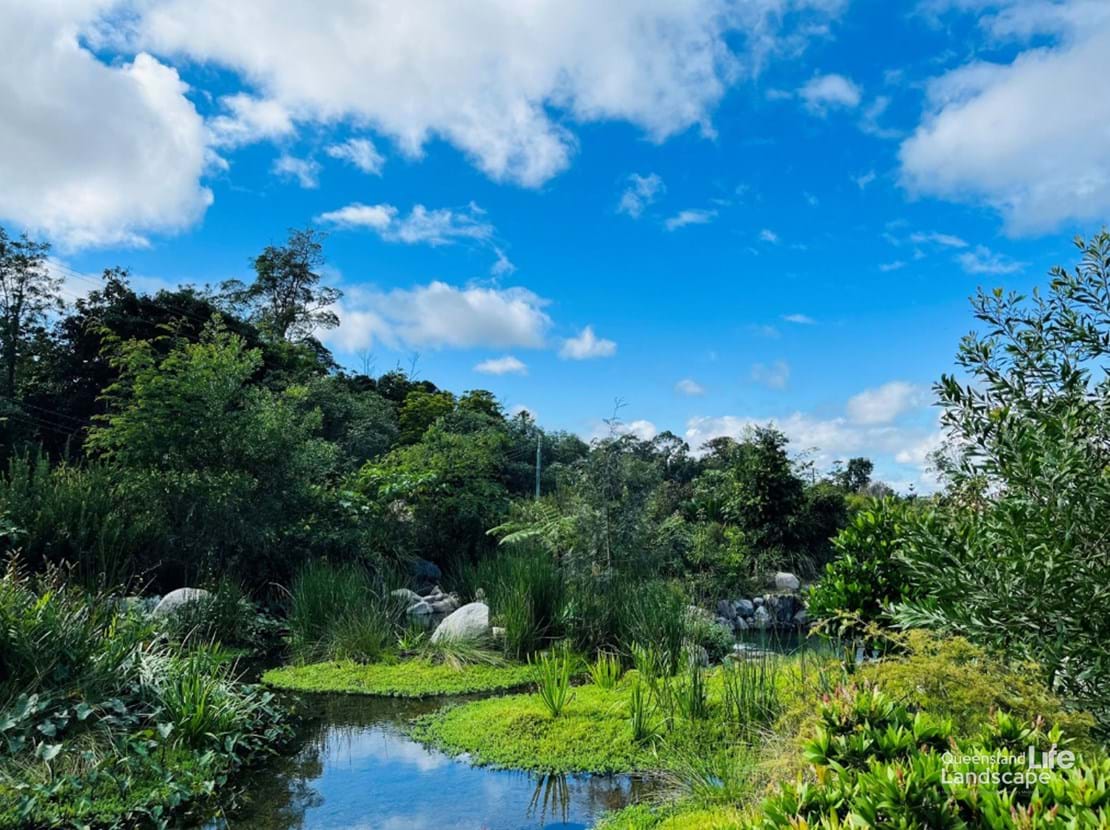
The second layer of sustainable landscape design is to ensure that both construction and maintenance minimise the off-site environmental impacts of each project, by maximising the absorption of runoff and considering energy and water use, as well as specifying recycled (and recyclable) materials and avoiding materials which may cause site degradation elsewhere (such as ‘mossy bush rocks’). Effective landscape design can also enhance the environment of the site and surrounding areas by using plants which provide habitat, nesting/roosting and wildlife corridor opportunities for local native fauna.
The third layer relates to enhancing residents’ self-sufficiency (for example through permaculture) and contribution to the surrounding neighbourhood and local community, such as provision of community gardens, local education and awareness-raising. Sustainable gardens and landscaped sites can be a showcase and inspiration for others, especially if attractively designed, constructed and maintained.
Importantly, sustainability is not an afterthought or an ‘add-on’ to projects but needs to be incorporated from the outset as a design objective which flows through decisions made at the design, construction and maintenance stages and these decisions need to be thoughtful and well considered. Wishful thinking, such as planting untried or unsuitable species in the hope they will survive on site, or native trees which will grow too big for the site, can cause future maintenance or replacement issues, which are less environmentally sustainable than using appropriate plants in the first instance.

Dr Alan Chenoweth FAILA Reg LA FEIANZ CEnvP FAIH FPLA

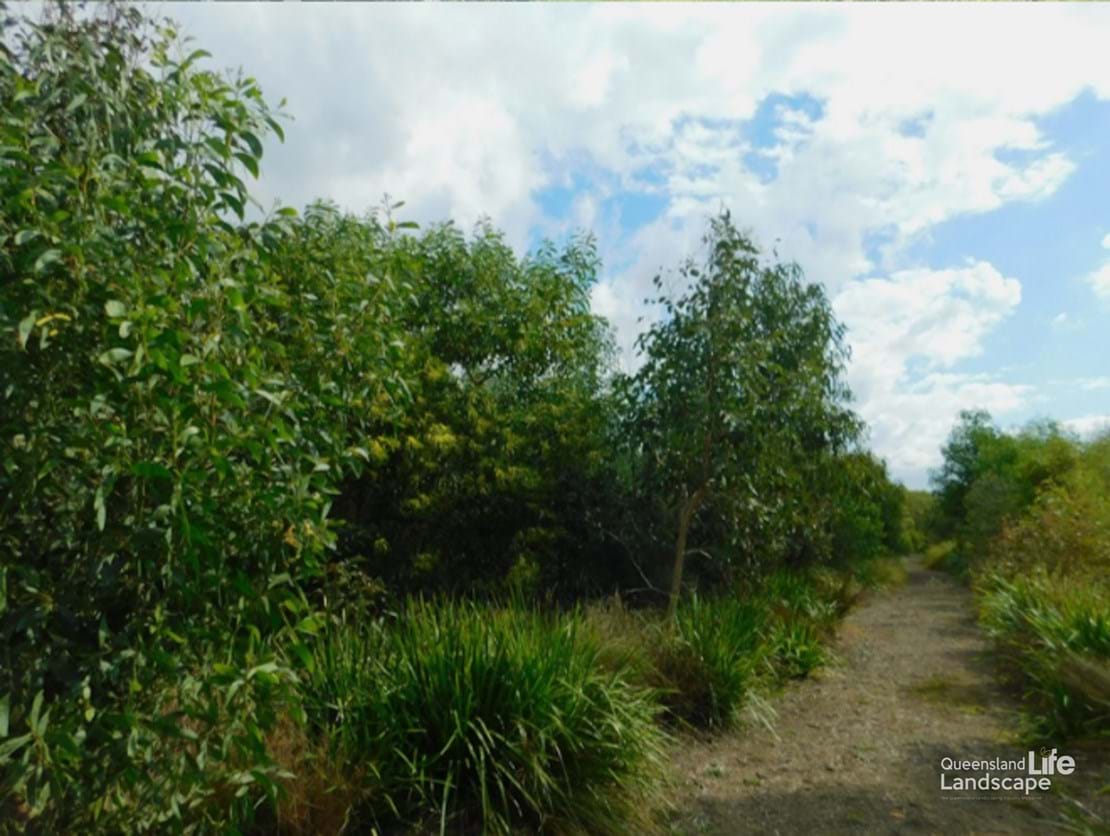
LQ Member Evolve Environmental Solutions
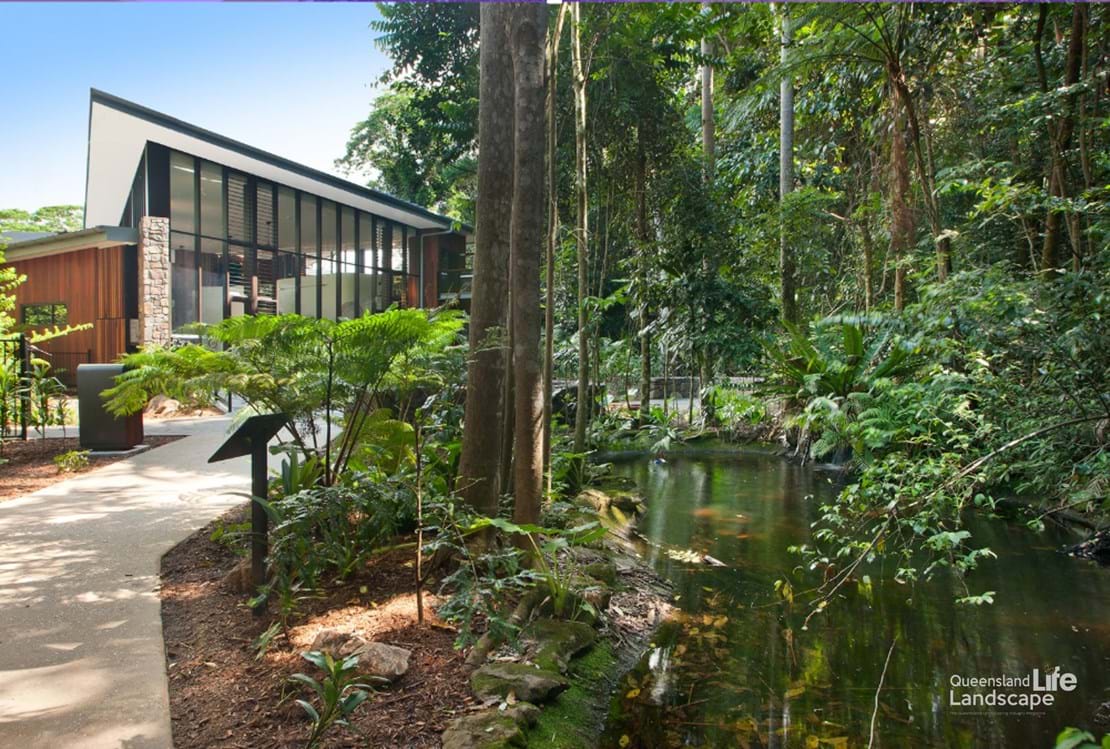
LQ Member Living Style Landscapes
LQ Member Waterscapes Australia
Access Points
Associate Body
Credits
Words & Photos: Dr Alan Chenoweth FAILA Reg LA FEIANZ CEnvP FAIH FPLA
Read More

