



Biophilia - What is it and how does it involve landscapers?
2023

The term may be new to you, but the concept has been around for years and is something landscapers and the landscaping industry have been participating in, perhaps without even realising.
The concept is one of bringing residents closer to nature and using natural environments to assist with reducing stress, creating greater livability as well as the flow-on effects of carbon dioxide reduction. It’s a win-win situation.
It all starts with good design and members are employing biophilic design principles on a daily basis with projects they create – no wonder so many landscapers love working in their ‘office’.
Increasingly Governments and planning authorities are encouraging the creation of biophilia in urban areas and are looking to include more green roofs, green walls, and rooftop gardens/kitchen gardens in new building projects.
Initiatives such as Brisbane City Council’s Green Buildings Incentive Policy encourage Biophilic Design by providing a reduction in development infrastructure charges if projects meet certain criteria. These incentives can up to 50% of overall costs which allows developers to divert funds towards incorporating green areas into the building design.
Recognising that this area of the diverse landscape scope of work is increasing, the national training package has recently been updated to include units on both construction and design of roof gardens, vertical gardens and green facades.
Also in the SEQ area, Moreton Bay Regional Council has recently published an excellent consumer focussed magazine Naturehoods: Your Backyard & Outdoor Spaces Guideline, aimed at encouraging homeowners to better consider landscape design for their homes. Sections include topics such as smart gardening and planting to encourage wildlife as well as information on design for small lots. The magazine can be accessed here and is part of their Reshaping Our Region’s Planning initiative.
“Biophilic design is the deliberate attempt to translate an understanding of the inherent human affinity to affiliate with natural systems and processes—known as biophilia—into the design of the built environment.”
Stephen Kellert – author The Practice of Biophilic Design
Meanwhile, Cairns Regional Council encourages designs that foster the relationship between built form, city planning and landscape which they express as tropical urbanism and which they believe is a defining factor of the identity of Cairns, being a tropical city surrounded by rainforest. This tropical urbanism energises the experience of locals and positions Cairns as a unique tropical urban environment. The Council also encourages residents to help ‘green’ the city by participating in one of the eight volunteer greening programs they run ranging from botanic gardens to walking tracks and local creek restoration.
Townsville City Waterfront Development guidelines also encourage the use of green roofs, green walls and facades, and integrating plants into building designs.
Griffith University has also established Green Infrastructure Research Labs (GIRLS) as part of the Cities Research Institute, a collection of experts devoted to bringing nature back into cities through good design. In partnership with ARIA Property Group, they are building a world-leading facility to test larger green elements including trees on buildings. Dr. Ruby Michael, founder of GIRLS, says there is plenty to learn about the multi-year performance of these systems and many challenges to address. “Our aim is to work closely with industry to bring to life the best possible options for Queensland, to showcase and demonstrate good design, and to collect the critical data we need to inform policy and guidance.”
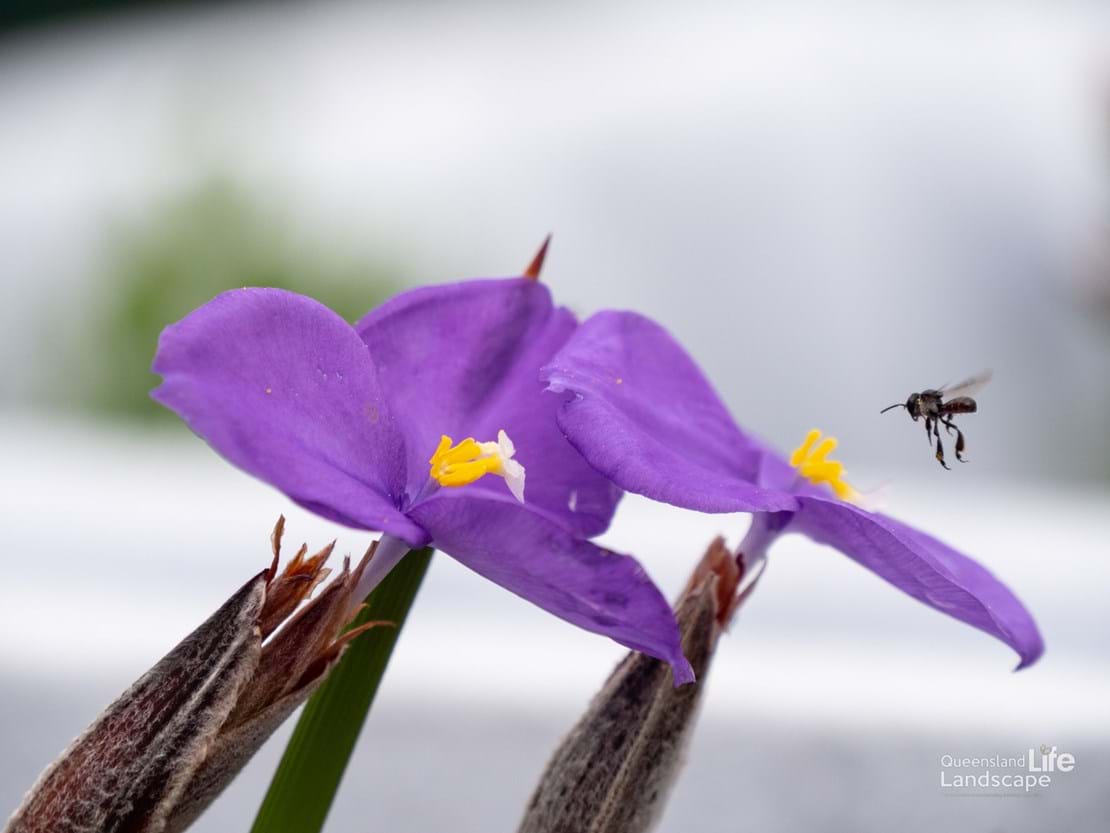
A core focus of GIRLS is to expand the native plant palette and substrate options available to landscape contractors and architects to create more resilient, low-maintenance systems suited to our region. They are also exploring green infrastructure from a range of other social, ecological, and technological angles: “We have researchers testing how leaf configuration affects air quality, how drainage materials optimise hydrology, how plant choices create pathways for beneficial insects and pollinators, how green infrastructure affects heat and can be incorporated into building information management systems, and what the opportunities, barriers and drivers are.”
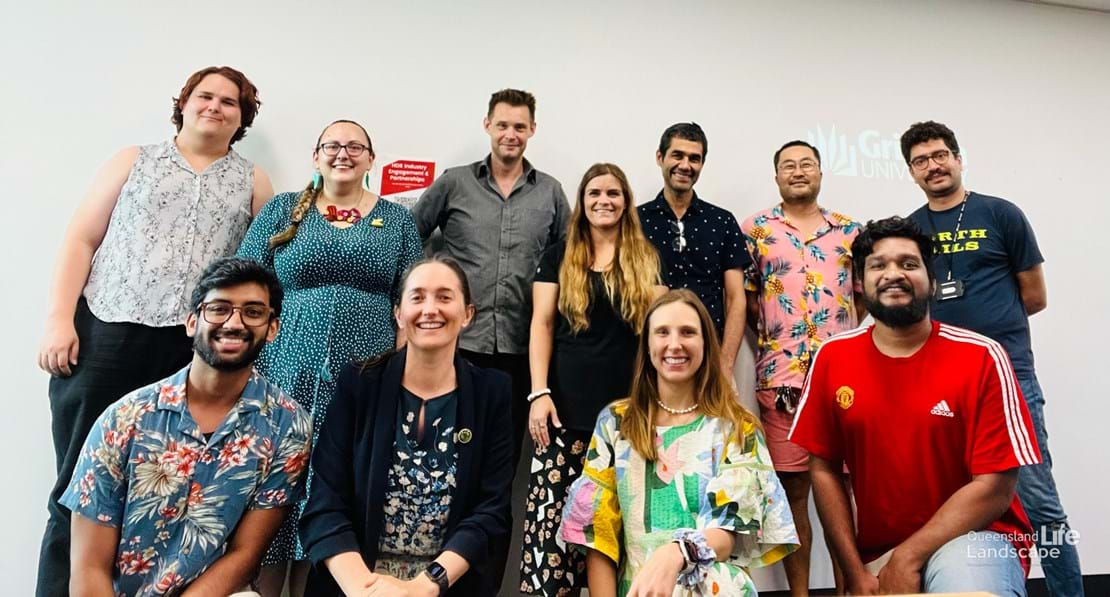


As a node for green infrastructure research in QLD, GIRLS is regularly seeking participation from designers, installers, facility managers and policymakers as part of co-creating what future living-scapes might look like, so look out for surveys and workshops. Click Here for More Information
More Information
Access Points
Credits
Words: Landscape Queensland
Image: Griffith University Green Infrastructure Research Labs
Read More

